Have a look at my hands in this video which was made in 2007. I was seriously zinc deficient and it sure did show. Despite being indoors with heating on, my hands have a distinctly purple look about them. Coincidentally, the skin on the back of my hands was fragile and easily skinned and very, very slow to heal.
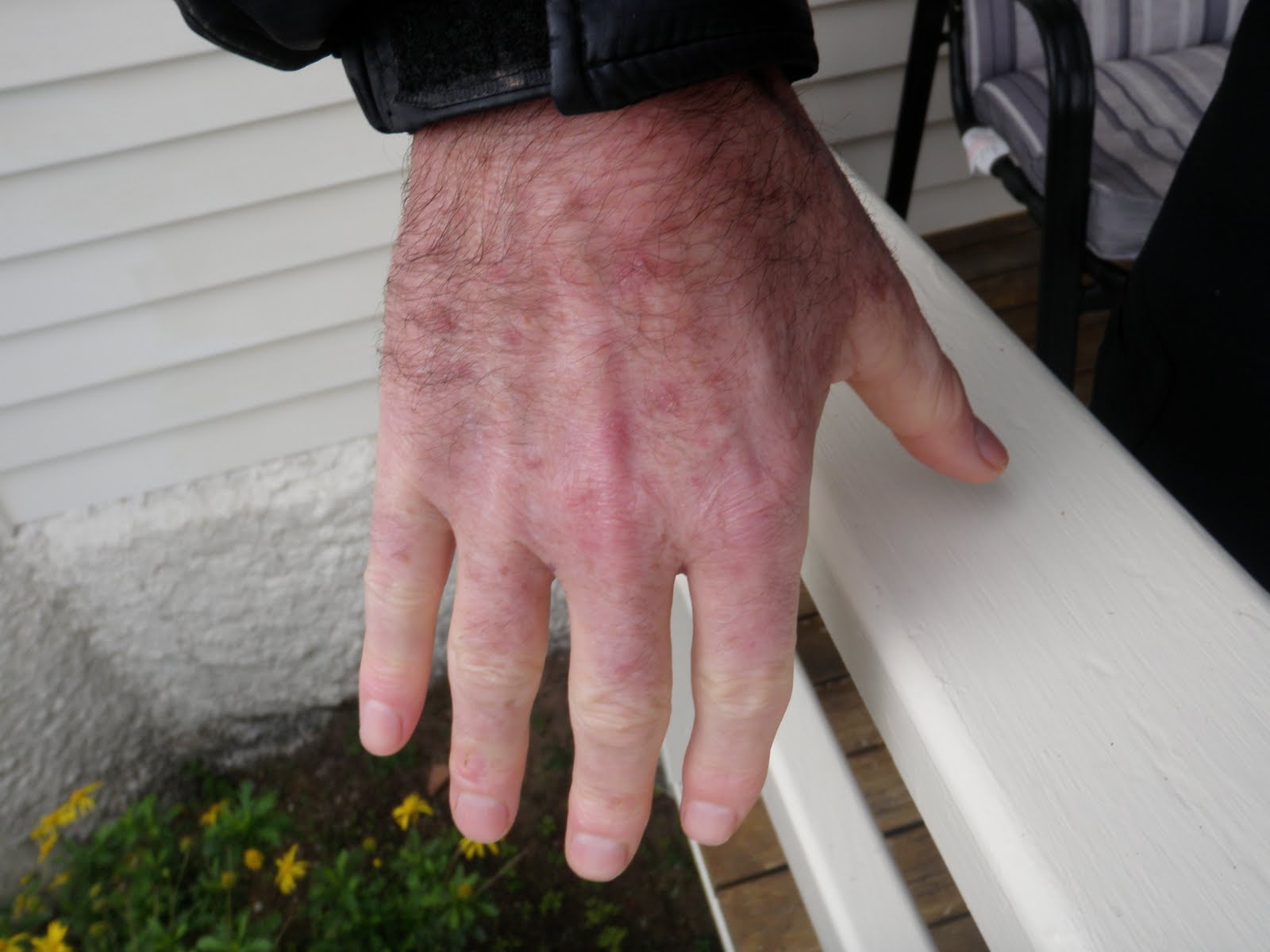
 Now, have a look at the same hairy hand, today four years later and four years older, outside in freezing weather while the rest of me is bundled up in a fat down ski jacket. If ever my hands should go purple it is in these conditions. While there is still some discoloration it is nothing like before. I have also noted far less tendency to damage the skin and it heals much faster.
I put this improvement down to getting the balance between zinc and copper about right but this has taken several years of trying and still a work in progress. Zinc and copper are critical for the regulation of many important functions in the body, including fluid flow and collagen synthesis. If there is a zinc deficiency, tissues will tear, rather than stretch. This is why zinc deficiency is the cause of stretch marks, slow growth, poor healing and ulcerations. One characteristic of zinc deficiency is the purple appearance that develops and is most apparent under the eyes and in the skin of the hands and feet. This purple appearance will show as purple scars and purple stretch marks where there is an absolute deficiency of zinc.
People, such as athletes, who do hard physical exercise need bucket loads of zinc. Years of "excessive-compulsive" exercise explains my zinc deficiency. Zinc is in high demand whenever there is tissue damage, be it from injury or just hard exercise. Zinc deficiency causes a loss of smell and taste and explains the often marked loss of appetite in patients following a severe physical injury or major surgery when zinc reserves are severely stressed.
Merely replacing zinc by way of a supplement may yield less than pleasing results. This is because there are many other factors at play. For example, there may be a lack of pyridoxine and/or molybdenum which will prevent the proper utilisation of zinc. Even the tiniest amounts of lead and mercury interfere with zinc metabolism and excess copper will drive zinc out of the cells. The best way to determine your nutrient requirements, including zinc is to get a Hair Tissue Mineral Analysis completed and use it to guide your diet and supplementation. Here is a good place to start to get an idea of the power of the Hair Tissue Mineral Analysis.
I put this improvement down to getting the balance between zinc and copper about right but this has taken several years of trying and still a work in progress. Zinc and copper are critical for the regulation of many important functions in the body, including fluid flow and collagen synthesis. If there is a zinc deficiency, tissues will tear, rather than stretch. This is why zinc deficiency is the cause of stretch marks, slow growth, poor healing and ulcerations. One characteristic of zinc deficiency is the purple appearance that develops and is most apparent under the eyes and in the skin of the hands and feet. This purple appearance will show as purple scars and purple stretch marks where there is an absolute deficiency of zinc.
People, such as athletes, who do hard physical exercise need bucket loads of zinc. Years of "excessive-compulsive" exercise explains my zinc deficiency. Zinc is in high demand whenever there is tissue damage, be it from injury or just hard exercise. Zinc deficiency causes a loss of smell and taste and explains the often marked loss of appetite in patients following a severe physical injury or major surgery when zinc reserves are severely stressed.
Merely replacing zinc by way of a supplement may yield less than pleasing results. This is because there are many other factors at play. For example, there may be a lack of pyridoxine and/or molybdenum which will prevent the proper utilisation of zinc. Even the tiniest amounts of lead and mercury interfere with zinc metabolism and excess copper will drive zinc out of the cells. The best way to determine your nutrient requirements, including zinc is to get a Hair Tissue Mineral Analysis completed and use it to guide your diet and supplementation. Here is a good place to start to get an idea of the power of the Hair Tissue Mineral Analysis.
_______________________________________

