Gary's new website

Showing posts with label phosphonates. Show all posts

Monday, May 28, 2012

Let's place Granny on the Suds - Bisphosphonates: Updated

I have written often about osteoporosis (weak bones) and I want to explain more about why we should be very concerned about the wholesale prescribing of bisphosphonate class drugs for preventing the progress of osteoporosis. It is increasingly likely that Granny will be prescribed these drugs if there is any hint of osteoporosis. Bisphosphonates are the same class of phosphate chemicals that are found in some laundry detergents. If this does not put you off these drugs right away, read on...

Bones are living organs that are being constantly rebuilt by the actions of two very special cells in your bones - osteoblasts and osteoclasts.

These cells perform a rather miraculous balancing act. The osteoblasts make the bone framework, while the osteoclasts break it down. Between the 2 of them, they make sure that the bones are healthy and maintain their proper shape. If a bone gets damaged, the osteoblasts make new bone to repair the damage. The osteoclasts break down any extra bone framework that the osteoblasts make. When the bone forms, the osteoblasts are trapped within it. They are then called osteocytes. Although they no longer make new bone, they are involved in maintaining the bone structure.

This is where it gets interesting: Exercise, including daily activities like walking to the shops, putting out the washing and making the beds, stimulates the osteoblasts into action, laying down new healthy bone, while the osteoclasts remove the old stuff. If there is no activity, the osteoclasts just keep on doing what they do with the result that there is an overall loss of bone. Especially if there is also a shortage of essential nutrients, like Calcium, magnesium, protein and vitamin D.

So, if Granny is inactive and if her diet is poor and if she is not getting any sunlight, she will start losing bone mass. The obvious remedy is daily activity, a nutrient rich diet and plenty of sunlight. The javelin thrower in the picture to the right is a wonderful example of somebody who is doing the right things to maintain healthy bones regardless of age.

The following has to be the most cynical action ever when it comes to dealing with a health problem: Some smart person discovered that the chemicals in soap powders kills off these hard-working bone cells - no bone loss. So, here's a way to make billions of dollars - make the stuff into a pill, give it a misleading name like "Fosamax" and sell it as a cure for osteoporosis.

The problem is dead bone becomes brittle bone. Worse still, dead bone does not heal when damaged. When damaged, the bone just ulcerates away. The condition is called "osteonecrosis". Google the word and be prepared to be disturbed, if not horrified. So, routine procedures like dental work can turn into an incurable nightmare of jaw rot.

If a relation of yours is on any of these "bone drugs", I urge you to question the need and to ask why natural therapies (sunshine, nutrition, exercise and diet) have not been prescribed.

Monday, September 08, 2008

I stopped taking Fosamax immediately after reading your article about biphosphonates

"I had been taking Fosamax for 11 months before reading your article. I decided to stop taking them immediately. I saw my doctor but she said she knew nothing of any bad side effect and wanted me to continue taking them. I refused and went back to taking Etidronate for two weeks and Calcium for two and a half months. Is this safer for me ? I had been on that for several years before changing to Fosamax last Sept. I am 72 in a couple of days time. Take no other medication and feel I am reasonably fit . I walk four kilometres most days .I am not overweight at all. My only problem really is back pain. I had x-rays in Jan and the results where deteriation of the spine. I find vacuuming and gardening a problem but as we have a large garden and grow lots of veg etc I still need to be able to do my share. Also I love doing it.
I do value your opinion and look forward to hearing any ideas you may have to help me."
__________________________
Gary replies:
Editronate is the same class of medicine as Fosamax - a bisphosphonate. I have yet to hear a single compelling reason why a person should be taking these. Unless, of course, they have very special reasons for needing to suppress bone turnover, such as bone cancer.

Even at 72 your bones are living organs that are in a constant process of renewal. The best approach to maintaining their health by far is to nourish them with good food and to sitmulate them through exercise to be supple and strong.

There are a number of things you can do regardless of age to improve bone health:
  • Lift about 2kg from ground level above your head and down several times daily.
  • Get a referral to the ACC sponsored Tai Chi community exercise programme
  • Walk, garden, dance.
  • My book on back pain has many exercises in it that would be beneficial for you.
  • Get a little protein into your body 3-4 times a day. If necessary, you can take a whey protein supplement.
  • Ensure you take a mineral supplement that supplies calcium and other bone mineral nutrients in the form that is found in the body (This excludes most calcium supplements). Take small doses frequently and void the big-hit supplements. Active 4.3 will do the job nicely.
  • Ensure that you have a rich daily intake of all of the fat soluble vitamins - A, D, E and K. A blood test of vitamin D can be ordered through your Dr; but bear in mind that a notice has been circulated to doctors earlier this year requesting that they refrain from ordering this test unless absolutely necessary due to cost. Insist on the test then send me the results and I will assist with its interpretation. This will help with determining how much supplementary vitamin D you need.
  • You may need to take some supplements for all of the fat soluble vitamins other than vitamin K. The best source of vitamin K is spinach, silver beet, Brussel sprouts, taro leaves and brocoli cooked in fat like coconut oil, lard or clarified butter or ordinary butter (The fat dissolves the vtiamin K).
This exercise and nutrition advice does not in any way interfere with current medication.

You still need to discuss your medication needs with an informed and caring health professional. If your doctor knows nothing of the side effects of these drugs you are taking, then it may be time to change to a doctor who is better informed. I am about to write my take on why official statistics of adverse reactions to many medication seem incredibly rare, while being a common occurence to people like me who are working at the coal face. Keep a watch out for it.

Please let me know how you get on.

Your email address:


Powered by FeedBlitz


Do you have a question?
Email Gary: gary at myotec.co.nz (Replace the "at" with @ and remove spaces). Please include any relevant background information to your question.

Wednesday, August 20, 2008

"Gary - I loved your comments on bisphosphonates" - Doctor


"Gary
I loved your comments on bisphosphonates in particular. They caught my eye as I had just sent out a patient newsletter commenting similarly.

Your "dead bone analogy" was succinct, accurate and easy to understand (and better than my dry scientific depiction I admit)."

Michael Carlston, M.D. (USA)

Note: For Dr Carlston's Website and Newsletter and to learn more about his services:
www.carlstonmd.com


Do you have a question?
Email Gary: gary at myotec.co.nz (Replace the "at" with @ and remove spaces). Please include any relevant background information to your question.

Saturday, August 16, 2008

I am a 29 year old female, very active, into lots of running and sport diagnosed with ostepaenia and now taking Fosamax

"I am a 29 year old female, very active, into lots of running and sport.

In March 2008 I was diagnosed with Osteopenia and some osteoporosis in parts of my spine, from a DEXA bone density scan. I was referred to the scan because in January 08 I suffered a compressed fracture in my L2 vertebrae, after falling over when playing touch. My orthopaedic doctor referred me to an endocrinologist because I also have endometriosis, polycystic ovaries and a history of 3 other fractures from mild falls, he thought it would be good to see if there are any links going on. After doing numerous blood tests my levels in all minerals, vitamins etc are normal including calcium and Vit D.

My endocrinologist could not offer a reason for my low bone density and said the only option from a medical perspective is to take Fosamax and to keep up with weight bearing exercise. I have not had children yet but hope to one day. She said because it has not been proven yet that fosamax doesn't harm a foetus I will need to make sure I have been off Fosamax for at least 3 months before getting pregnant. She has recommended that I take Fosamax for 5 years, having a break when I decide to have children.

I have been working with a fantastic physio at the gym on an activity based programme with weights which I will continue indefinitely. My query to you is that I have done some of my own research on the side-effects of Fosamax and since reading your articles I have become quite concerned. I believe I will end up stopping the drug.

All the information I have read refers to subjects who are 50+ I have yet to find any information specifically refering to women my age with low bone density - why I have it? and what I can do to prevent further fractures other than take Fosamax?

I know that weight bearing exercise is important but I have been doing this type of exercise since I was a teenager and have still ended up with low bone density and fractures.

Any advice that you could offer me would be very much appreciated. I have voiced my concern to my doctors but as you would expect they down-play the side effects of Fosamax and deliver the information as if I have no choice but to take it. "
_______________________
Gary Moller comments:
(I am publishing this because many other people in similar situations will benefit from reading about your situation)
So, what do I think about Fosamax and other bisphosphenates and whether you should be on these at such a young age? Here is my answer in an oblique way:

"655 Fosamax Lawsuits Have Been Filed Against Merck & Co. According To June 30, 2008 Update
Most Of These Product Liability Cases Allege Fosamax Caused Drug-Induced Osteonecrosis Of The Jaw (ONJ)" Go here for more information

(ONJ: Basically, your jaw bone dies and disintegrates. There is no cure.)


This jaw-dropping news says it all. What astonishes me is how doctors can continue to prescribe this class of drugs to an ever-younger population. Why they do this and why the drugs companies continue to manufacture these is simple: MONEY! Billions of dollars worth and many times over what will ever have to be paid in future lawsuits. This is sociopathic behaviour. Please read my other articles about this topic by following the tabs at the bottom of this article.

Known side effects
worsening heartburn, difficult or painful swallowing, chest pain, and severe bone, joint, and/or muscle pain, osteonecrosis. Young or old: Not pleasant.

Raisor was told her jaw bone was going to end up in a bucket.
"They took some out, took some out, kept taking more out,"
Raisor said.
They tried to save what they could. They used a metal plate for reinforcement.
Source

Complain to the Medical Association, the Health and Disability Commissioner and to your local Member of Parliament if you do not think you have been adequately informed of the known risk and side-effects of this class of drug. I would be outraged if the prescribing doctors have gone a step further by downplaying the known side effects like ONJ and spontaneous femur fracture.

With regards to your health conditions, I can assure you that the drugs you have been prescribed will do nothing to cure you of anything.

Fire your endocrinologist
An endocrinologist who can not explain your low bone density needs to stop practising and go back to medical school to learn some basic human physiology. Furthermore, it is irresponsible to prescribe a drug as hazardous as this one when there is no understanding of the cause of the underlying condition. Would you allow a mechanic to work on your car engine in this haphazard way?

Endometriosis
I have assisted several women suffering debilitating endometriosis. The lasting solution has always ended up being surgery to very carefully remove every trace of the menstrual tissue that has found its way into your abdomen. Get this done using the services of a specialist Endometriosis surgeon. DO NOT allow a general surgeon anywhere near you. Use a surgeon who specialises in endometriosis. In all the cases i know of, the specialist surgery has been 100% successful while the only non-specialist job that was done on the cheap was an abject failure.

Sort your endometriosis out and most of your other health issues should resolve of themselves - with a little nutritional help which I can assist with.

Vitamin D
You referred to your levels of Vitamin D being "Normal". So what was "Normal?" Please tell me your results and I will help you interpret them.

Nutrition
Please send me a diet recall of everything that you have eaten and drunk in the previous 24 hours and I will give some suggestions about how to commence a "Bone-Friendly" diet. Please also complete an Active Elements assessment and I will give some advice as to your mineral requirements, including iron, calcium and so on.

Please list all medications and supplements that you are currently taking.


Do you have a question?
Email Gary: gary at myotec.co.nz (Replace the "at" with @ and remove spaces). Please include any relevant background information to your question.

Thursday, July 31, 2008

Snapping thigh bones caused by bisphosphonate anti osteoporosis drugs?

"Hard on the heels of the FDA’s January 2008 alert about serious joint bone and muscle pain

associated with the bisphosphonates, comes a worrying series of reports of spontaneous fracturing of the femur (thigh
bone) in women who have taken Fosamax for several years.

There have long been concerns that the bisphosphonate action of suppressing bone turnover may cause bone to deteriorate in strength and become more brittle over time. It would seem that those fears are being realized and although still small, the number of spontaneous fractures is prompting an FDA investigation of the phenomenon. "

For the full article by Health Researcher, Gillion Sanson, and her book "The Myth of Osteoporosis" please go to her highly informative website here.

In this article, Gillian explains the maths behind how misleading claims of effectiveness are derived.
_______________________________
Gary Moller comments:
If you are on any of this class of drugs, my advice to you is to get off them immediately!
I have written many articles about these drugs before including issuing a warning about the possibility of spontaneous fractures resulting from taking them (Go here to read my previous articles).

I have said it before and I will say it again:

"I predict that the wholesale prescribing of these drugs to millions of people will turn out to be one of the worst medical scandals in the history of modern medicine".


Biphosphonates are extremely toxic which is why the drugs can only be taken in weekly or monthly doses. Any more and they may cause irreparable damage to the oesophagus and stomach. These drugs work by killing off bone cells. The end result is dead bone and hence the name "Fossy Jaw" which is in honour of the biphosphonate drug, Fossamax. "Fossy Jaw" refers to jaw bone necrosis (death) which leaves the victim without a jaw! I could not think of a more disfiguring outcome! And the evidence for any benefit is flimsy at most. Why take risk such terrible consequences?

The scary thing about these drugs is they accumulate in the tissues and the half life for them is anywhere as long as 10 years.


Rule of medication: "If in doubt - Leave it out"
"Why do so many doctors keep prescribing these drugs if they are so harmful?"

"Why do pharmaceutical companies keep manufacturing them?"

You tell me! It just does not make sense if the motive is to promote good health. Is this a case of sociopathic preying by those who can on others who have placed their trust and health in them? Is the motive money? It beggars the imagination to try to figure out why these drugs continue to be prescribed in the face of mounting evidence of terrible harm.

These drugs are precribed on the basis of tests of bone density that hav to be challenged. These bone density tests arbitrarily discriminate against older women and women who are naturally light boned. So, if you are a 50 year old 50kg woman with thin wrists and ankles and your doctor sends you to an osteoporosis clinic for a bone density scan, the odds are already stacked against you: You will be diagnosed as having osteoporosis and you may be prescribed toxic levels of calcium and even a bone-killing biphosphonate.

If you have been prescribed biphosphonates, stop taking them immediately. The only consequence of stopping these poisons is you will feel much better in a few months time.

If your doctor has not properly warned you about the terrible potential adverse side effects of these drugs (Fossy Jaw, catastrophic limb fracture, damage to the oesophagus, stomach and intestines, liver damage; that the half life of these drugs is many years, etc), then you should confront him or her and demand an explanation. If the excuse is that these side effects are rare, or unproven, that is not good enough (By the way, I do not think these are as rare as is officially claimed).

You should then lodge a formal complaint about the doctor with the NZ Medical Association and with the Office of the Health and Disability Commissioner. You have the right to be fully informed of the risks associated with any drug that is prescribed by a medical practitioner. I suggest that you also take the matter up with your Member of Parliament. After all, it is the Government that approves and funds these poisons. Do so, even if harm to you is not present or obvious. What is at issue is your right, as a patient, to be fully informed of the risks and benefits of taking a drug so that an informed decision can be made about whether or not to take it - or stop taking it.

Question: "Why would any health professional risk your health by prescribing a drug that does not work?"

Do you have a question?

Email Gary: gary at myotec.co.nz (Replace the "at" with @ and remove spaces). Please include any relevant background information to your question.

Saturday, July 12, 2008

Spontaneous Mid Femur Fractures affecting Women taking Bisphosphonates

Dr. Odvina's 2005 report of spontaneous femur fractures in women on fosamax raises questions about the entire class of bisphosphonate drugs.

This report by Odvina has been duplicated by Goh with his 2007 report in the Journal of Bone and Joint Surgery of subtrochanteric femur fractures with minimal trauma in women on long term fosamax.

A third report of spontaneous femur fractures in menopausal women on fosamax was reported by Dr. Joseph M Lane in the New England Journal March 20, and in the June 2008 Journal of Orthopaedic Trauma.

He found that bisphosphonate use was observed in 37% of all patients presenting with low-energy mid-femur fractures.

How many menopausal women must suffer spontaneous mid femur fractures before we declare enough is enough and ban this entire class of drugs?

To read more....

Bisphosphonates for Osteoporosis, A Closer Look at the Data by Jeffrey Dach MD

Jeffrey Dach MD
4700 Sheridan Suite T
Hollywood Fl
my web site
Natural Medicine 101

Do you have a question?
Email Gary: gary at myotec.co.nz (Replace the "at" with @ and remove spaces). Please include any relevant background information to your question.
Saturday, March 29, 2008

Fosamax osteoporosis drug linked to atypical low-energy fractures


"On March 20, 2008, The New England Journal of Medicine published a physician group report of 15 women taking Fosamax who experienced "atypical low-energy fractures," which means their bones broke doing almost nothing – a serious kind of injury typically seen in very elderly individuals in declining health. The fact that the NEJM is reporting this is a major wake up call to anyone who hasn't figured out that Fosamax is dangerous to your health". ((http://content.nejm.org/cgi/content/ful...)
Source: www.naturalnews.com
________________________________________
Gary Moller comments:
I have been warning readers about the dangers of bisphosphenate drugs for osteoporosis for more than a year now and every concern raised back then is being confirmed.

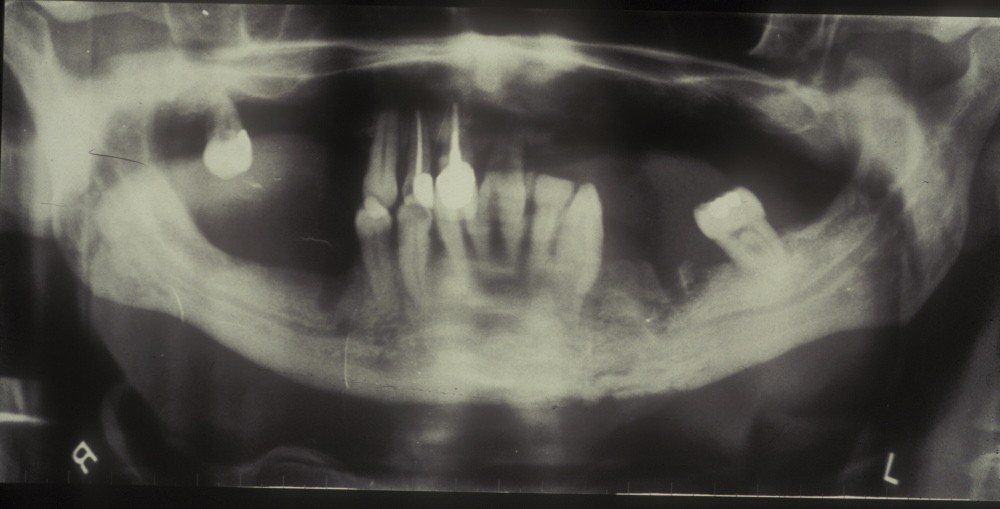
Here on Prime Time New Zealand television there is a reassuring celebrity named Judith Dobson who fronts a "Health Diary" advertising campaign. Right now she is pushing Fosamax-Plus with vitamin D "For added benefits". Yeah right! This advertising campaign is nothing more than misleading rubbish encouraging women to medicate with a drug that does nothing at all of benefit and much harm, including the much feared "Fossy Jaw" or bone rot in which the jaw bone literally falls to pieces. The same rotting process occurs in the rest of the skeleton, resulting in the kind of catastrophe that can be seen in the x-ray image above.

What the research report quoted above does not tell readers is that these bones have little or no healing capacity, so the prognosis for these poor women is not good.

How doctors can continue to prescribe these poisons beggars belief. Do they read? Please warn your family about these horrific class of drugs and please forward this article onto others.


Tuesday, July 10, 2007

Advice about dental work, osteonecrosis (Fossy Jaw) and Fosamax

"My oral surgeon just alerted me to the possible side effects of Fosamax, which I have been taking for 3 years. We are considering jaw surgery and orthodontic work to correct a severe overbite. He has ordered a CTX test (I believe that's what he called it) to help determine my risk level for such a procedure. I am not familiar with this test and am wondering if it is accurate at predicting a successful recovery and healing."
Margie

I asked women's health researcher, Gillian Sanson, for advice:

"The CTX test is a bone marker test measuring collagen cross links. Osteoclast activity is measured by the breakdown products of collagen. When bone is resorbed collagen is broken down and fragments that contain the cross-linking molecules are released and excreted in the urine. High levels can indicate high levels of bone resorption. My understanding is that these tests are not a particularly accurate way of measuring bone metabolism, fracture risk, healing or otherwise because of the great variability in bone turnover, and the day to day variability of metabolic processes. But I am not an expert in this area. I don’t know about the use or value of this test in relation to osteonecrosis of the jaw.
Best wishes
Gill"

"We recommend that patients about to start oral and intravenous bisphophonates should have an oral inspection by the rheumatologist, and if there are any doubts then the patient should be referred to an appropriate dental surgeon for further advice.

Secondly, we recommend that patients who are already taking oral bisphosphonates should not stop these when they go for dental surgery as the risk of ONJ is very small and the half-life of the bisphosphonates long.

Thirdly, we recommend that in patients who are already having intravenous bisphosphonates and who have planned dental surgery, the administration of the bisphosphonates should be delayed until after healing has been completed."
http://rheumatology.oxfordjournals.org/cgi/content/full/46/7/1049
_____________________________
Gary Moller comments:
Margie, I am sorry that the following is rather grim; but best got out and understood.

Few adverse side effects ever get reported for a raft of reasons. So, if rates of complications are x/100,000 one can assume that the real rate is much higher. Claims that newer versions of these biphosphonates have fewer complications are rubbish. How can such claims be made when it takes ten or so years to really know? If I were to be taking medication from a particular class of drugs, I would probably prefer the one that has the longer track record - warts and all! None at all, if I could get away with it. If you troll the user support websites, you will see there is growing unease among the patients about this class of drugs and a disturbing number of reports of adverse reactions.

Bisphoshonates, including Fosamax, progressively kill off the little cells in the bone that are constantly working hard to remodel bone to withstand the stresses and strains of daily living on the skeleton. Killing these cells (osteoclasts and osteoblasts) gives just a couple of years of possible reduction of fractures. But this comes at a shocking cost.

Healthy bone is never more than about 7 years old regardless of age. The cost of taking bisphoshonates is the development of old and lifeless bone that, once damaged, will never again heal. Not only do these poisons kill off the cells that maintain the bones they remain in the body for an estimated 20 years (Estimated 1/2 life of 10 years) doing their damage.

The term "Fossy Jaw" is a play on Fosamax and refers to the horror of jaw bone death associated with the use of biposphonates. The reason why the jaw is so vulnerable is because it is constantly stressed by the chewing action and the pressure of teeth on the jaw bone. The rate of bone turnover in the jaw is very high so the poisoning effect of biphosphonates may be first seen in the jaw. Basically what happens is bone damage such as during orthodontic work and even simple extractions may result in non-healing lesions on the bone - ulcerations andf progressive loss of jaw bone. I will say no more, other than to say that this is one topic that makes my blood boil!

There may be similar processes of bone death caused by the use of blood thinners like Warfarin (rat poison). But this is another article!

Margie, that is the bad news over with; now for the good news.


The good news is that you are only a few years into it and the sooner you stop the better. You can stop right away; but I do recommend that you talk about your intentions with your doctor. The fact that your orthodontist felt required to carry out tests to try to assess your bone cell activity should be sufficient warning to you to take positive and assertive action. Get off the stuff!

Can you delay the orthodontic work for a couple of years? Surely it can wait? Talk frankly to your orthodontist about this. I think you should give your jaw bone time to recuperate from any effects of the biphospenates. The orthodontic work requires tip-top bone health.

Strengthen and revitalise your bones through natural health measures:
  • Get your vitamin D levels tested and follow the guidelines on this website to aggressively get your levels up to about 120nmol (details on this site)
  • Have a daily mineral rich cup of beef/lamb bone broth
  • Take daily supplements of vitamin A rich cod liver oil
  • If you can get full cream raw milk, do so and then have 1-2 cups per day (Keep and eye on this website because I am looking at publicising sources)
  • Exercise daily including lifting light weights above your head (My book on back pain has suitable illustrated exercises for you.
Bone up on osteporosis: Go to the Search This Blog box in the upper right hand column of this website and do a search for terms like "osteoporosis" and "fosamax" and have look at all of the articles on this site, linked sites and the rest of the web.
Margie, the best response is ACTION! So get moving and please keep us posted about what you do and how it all goes.

Friday, February 23, 2007

Hip fractures affecting the elderly - the chicken or the egg?

In my previous articles about hip fractures which are leading causes of injury leading to death among the elderly, I omitted to discuss one very important question: "Did the fall cause the fracture, or was it the fracture that caused the fall?"

In most cases we will probably never know. A spontaneous fracture of the hip may happen when an osteoporotic person does a slight, slip, stumble or sudden movement. The next thing you know, he or she is lying prostrate on the floor and you have a medical emergency on your hands. Preventing these injuries, be they spontaneous, or be they from a fall is the name of the game. This starts with ensuring that the environment is free of hazards like loose mats, poor lighting and cats or dogs wandering underfoot! Refer to my earlier article and navigate the link to the ACC website for resources about this.

Prevention also means ensuring that bones, muscles, balance and reflexes are kept in tip-top condition regardless of age. The keys are: a nutrient rich diet, plenty of sunlight, regular exercise including agility drills and keeping medications to a minimum.


Osteoporosis and the general frailty often seen in old age can creep up slowly. This can be despite a mostly active life, if one or more of the ingredients such as adequate dietary minerals or vitamin D are not quite sufficient to maintain bone strength. All that it then takes is an illness or injury that stems activity for a few months, or confines the elderly person to sunless rooms and/or a deficient diet and the dyke can burst - a fractured hip for example.

Desperate Housewives is an interesting programme to watch because of the procession of pre-osteoporotic women that parade up and down the fictional Lysteria Lane in their flash convertibles. They are so thin. Ant-like in appearance. Even their facial bones are thinning! They can't be doing enough chewing. I look and wonder how these emaciated stars could ever be role models to the impressionable world? What hope is there for these fragile people when old age catches up with them?

Whether the fall caused the fracture or the fracture caused the fall, the fracture was a long time in the development and the consequences are exactly the same. We must concentrate on prevention.

Tuesday, December 12, 2006

The Myth of Osteoporosis - Book Review

It is the NZ Osteoporosis Foundation’s claim that 56% of all women over the age of 60 will have an osteoporotic fracture in their lifetime. If that is the case then where are all these people and fractures? They are very dodgy stats, grossly inflated, and based on things like small changes in vertebral shape, the inclusion of all fractures including accidents in the age groups. Amazingly, there has never been an assessment of fracture rates in NZ – these stats are based on an epidemiological study done in Dubbo NSW. People are being frightened into questionable bone mineral denisty tests and, ultimately, onto preventive medications that are of questionable effectiveness and safety.

New Zealand author and health researcher, Gillian Sanson, is now a recognised international expert on osteoporosis. Gillian began her journey of discovery when routine bone density tests revealed a disturbing rate of low bone mineral density in her family, yet no there was no unusual occurence of fractures in her family. How could this be?

Her book, "The Myth of Osteoporosis", is written for the lay person. She asks and offers answers to many pertinent questions such as: "Where are all those post-meonpausal women with osteoporotic fractures?" "Are we being conned?" I wonder. And,"Are bone mineral density tests accurate; or are they causing anxiety where there is little or no cause for concern?" "Do osteoporosis drugs do more harm than good?" "Why; despite our huge consumption of dairy foods, is osteoporosis such an issue?"

I believe that the drugging of millions of women worldwide with biphosphenate drugs may become one of the worst medical scandals in history and this book confirms that something may be amiss. Gillian Sanson is onto something. Why terrorise and drug millions of women when the jury is still out about the safety and effectiveness of these drugs? Besides: There are already more effective and safe interventions like exercise, sunlight and nutrition.

This book is compelling reading and I recommend it as compulsory reading for all women who are the primary target of what is a money making machine of immense proportions, persuasion and of doubtful benefit.

For more information about osteoporosis and related health issues and to order the book go here.

Sunday, December 10, 2006

Fossy Jaw - jawbone death, bone decay, or jaw rot

"As potent inhibitors of osteoclast activity, the nitrogen-containing bisphosphonates might retard skeletal repair processes associated with trauma to or infection of the oral mucosa that involves the underlying bone. Since the jawbones are in constant use and are characterized by active remodeling, bisphosphonates might accumulate there preferentially, resulting in concentrations that exceed those found elsewhere in the skeleton. "
______________________________________
Gary Moller comments:
Losing your jaw is not pleasant. More to the point: horrific!

While this is the most commonly reported side-effect of these anti-osteoporosis drugs, I think this is only one of many possible adverse side effects that are coming to the fore. This class of drugs may be causing damage to arterial walls and kidney leading to early onset of cardiovascular disease of various forms and even dementia. Rather than preventing fractures, the longterm result may be more fractures and poor healing because the poor victim is left with old bone that does not heal.

These drugs have an estimated 1/2 life of 10 years, so if a user stopped today it could be as long as 20 years before the drug is completely eliminated.

Its not worth the risk taking these things. If you are diagnosed by a bone scan or blood test as having osteoporosis or close to it here is my advice:
  • Challenge the accuracy of the test because these tests are more often unreliable than reliable.
  • If you are small, the odds are the bone density test will have you with a low bone mineral density which is probably dead wrong.
  • If you have been unwell or in hospital for any reason and your blood calcium levels are high (A reason for putting you on these drugs) and you are given a biphosphenate don't take it.
  • Blood calcium goes through the roof if you are deprived of sunlight and unable to exercise - its a normal thing.
  • Read Gillian Sanson's book about the Myth of Osteoporosis first.

Instead of taking these awful drugs that also cost a fortune:

  • Insist on getting your vitamin D levels tested. If below 120 then:
  • Get some sunlight on your back and tummy and thighs 3 times a week for about 10 minutes. Failing that, find a sunbed and get a few minutes that way (No burning and no excessive tanning please).
  • Repeat the vitamin D test about 3 months later to see how you are going.
  • Take a multi mineral like Calcium Complete daily and take cod liver oil.
  • Cut right down on dairy and refined grains and eat your veges, especially ones like brocolli and cabbage.
  • Walk briskly daily, do housework, dig the garden and lift light weights above your head.

Tuesday, November 07, 2006

Chiropractic News - Bones of Contention


HEALTHY LIFESTYLES FOR CHIROPRACTORS AND CHIROPRACTIC
PATIENTS – BONES OF CONTENTION FROM THE WORLD OF RESEARCH

Editor’s Comment: "Estrogen supplementation was also thought for years to increase bone density, but many researchers now consider that it did this by inhibiting old bone removal (osteoclastic activity). So bone material would remain, but not be remodeled..."

To read the full commentary, follow the link above. Refer page 3

This editorial comments on a full reprint of my article "Let's place Granny on the suds". I am delighted that health professionals are beginning to talk about this important issue.

Wednesday, October 25, 2006

Was it worth it? Fosamax

Here is an excerpt from a person who has been taking Fosamax: "After about 6 months I experienced gradually worse joint pain that changed me from healthy and athletic to almost crippled. I can barely walk up a stairs one stair at a time and leaning on the railing. Pain and weakness in my knees and hips, both sides is the main problem.

My bone density has increased, but who would want to live this way? I've gone from hiking and biking to practically needing a wheelchair. I've had to move because I couldn't do the stairs to my second floor apartment. I went off it after about a year and I'm desperately hoping my joint function will return. It hasn't improved yet after 1 month off the drug."
_____________________________________
Gary Moller Comments:
As I said in an earlier article, I predict that these anti-osteoporosis drugs are going to be the largest and worst medical scandal in history. While they may increase bone mineral density in the first few years, they are nothing short of being a slow poison. It is disturbing that the 1/2 life of this drug is about 10 years.

Keep informed of this scandal as it develops by going here and then bookmarking this page.

Sunday, October 22, 2006

What is Osteonecrosis of the Jaw ("Fossy Jaw")?

Watch this video and you will understand what all the fuss is about the excessive and totally irresponsible prescribing of Fosamax and other biphosponates to counter the mythical osteoporosis epidemic

Thursday, October 05, 2006

Fosamax Side Effects May Include 'Dead Jaw'

"Fosamax, one of the most-prescribed drugs in America, causes bone death in some patients, even though it was prescribed to prevent bone loss in women and men with osteoporosis".

To read the whole terrifying article, click on the linked title above.
___________________________
Gary Moller comments:
The prescribing of bisphoshonates to millions of people worldwide is an uncontrolled medical experiment on a scale never seen before.

The estimated half life of these drugs is 10 years. This means that 50% of the drug that is trapped within the body tissues will still be there 10 years later if the user stopped taking it today. It will take as long as 20 years to rid the system completely of the drug residue which poisons bone cells. This amounts to a life sentence for most people who are on these drugs.

In my opinion, we are witnessing the beginnings of what may become history's largest global medical disaster. Bookmark my newsfeeder on the topic and watch it unfold before your eyes.

Low vitamin D levels linked to increased risk of falling in elderly populations

NEW YORK (Reuters Health) - Older men and women with vitamin D deficiency are more likely to fall multiple times in the course of a year than their peers with adequate vitamin D levels, researchers in The Netherlands have found. Vitamin D may be best known for its role, along with calcium, in maintaining bone health. However, vitamin D is also important for muscle mass and strength, and compromised muscle function may explain the fall risk seen in this study, according to the researchers. The findings suggest that older adults should be sure to get adequate vitamin D from food and multivitamins, lead study author Dr. Marieke B. Snijder, of Vrije Universiteit Amsterdam, told Reuters Health. However, she added, clinical trials are needed to prove that this actually prevents falls. Snijder and her colleagues report their findings in the Journal of Clinical Endocrinology & Metabolism. For their study, the researchers measured blood levels of vitamin D in 1,231 adults age 65 and older, then followed them for one year to track any falls they suffered. During that time, 33 percent fell at least once, according to "fall calendars" that each participant kept. Just over 11 percent fell two or more times. Overall, men and women who were deficient in vitamin D at the outset were 78 percent more likely than those with adequate levels to fall at least twice. Their risk of falling three or more times was more than doubled.
____________________________
Gary Moller comments:
Notice that the good researcher conveniently omitted to recommend sunlight as a source of vitamin D! Is it because it is not PC to make such recommendations?

I am currently investigating falls prevention programmes in NZ, of which there are a couple. The Otago exercise programme to prevent falls in older adults is a well researched example that reduces falls injuries by about 35% in over 65's.

While I am impressed with the programme's format and content, I am dismayed that none of the programmes I have looked at so far, this one included, seem to pay any attention at all to assessing participants' nutritional status (including vitamin D) and then correcting any identified deficiencies. When up to 90% of some elderly populations are nutritionally deficient in some way, assessing the nutritional status of elderly populations who are at high risk of falling would seem an obvious thing to do. But it isn't. With regards to vitamin D, it is hardly ever tested. When was the last time you had it done?

If an elderly person is, say, vitamin D deficient, low in dietary protein, anaemic or washed out of essential minerals and vitamins, then no amount of exercise therapy is going to work all that well. While there may be initial gains, this is hardly likely to be sustained and the individual will quickly back-slide. Strong bodies are not created out of thin air - they need good food to be built and to then be maintained over the long term.

I have demonstrated many times with elderly people under my care that it is possible to double their physical work capacity in as little as 12 weeks by taking a comprehensive approach to their care, including tidying their nutrition.

Tuesday, September 26, 2006

Osteoporosis and Active People

Osteoporosis is one of the most widely publicised health problems worldwide and drugs to counter the condition are now one of the most widely prescribed medicines. I am researching the condition and I want to hear from active people, male as well as female, who have been told that they have osteoporosis or are being treated for stress fractures.

If you are an active person and being treated, or have been treated for osteoporosis (weak bones, thin bones, chalky bones, stress fractures) please tell me your story.