Gary's new website

Showing posts with label ageing - nutrition. Show all posts

Wednesday, February 04, 2015

New and improved Super Smoothie Ultra Protein is now back in stock


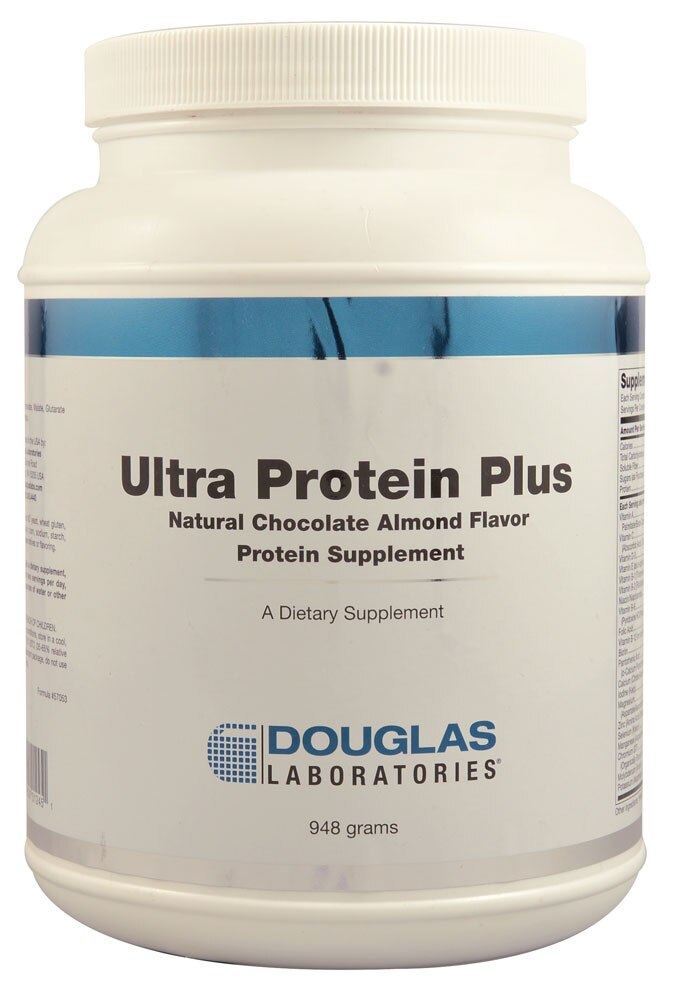
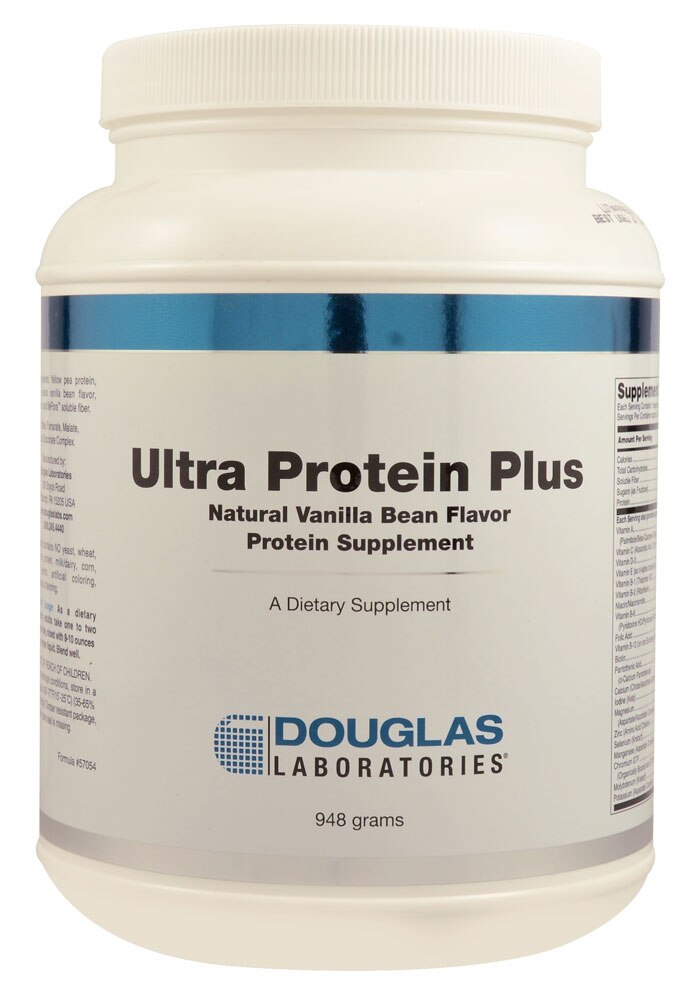
The most popular item ever published on this website is my original Super Smoothie Recipe.  However, things have been stalled for almost a year due to the base protein and nutrient powder being out of stock while it underwent reformulation by its USA manufacturer, Douglas Laboratories.


Perfect nutrition for all Kiwis on the go!

Athletes, stressed workers, vegetarians, conception, pregnancy and nursing, children, students, while convalescing, the elderly and the injured.


Vanilla is now back in stock, and the chocolate almond will be following shortly.

The Super Smoothie recipe was inspired by the Sustagen diets that enabled sustained a hardy bunch of runners to trot almost non-stop all the way from Auckland to Wellington about 1972. That race was won by Max Telford who consumed up to 14,000 calories during a running day.

My Super Smoothie is packed with the nutrients and calories that an athlete needs for sustained exercise and recovery and in a form that is easily and quickly digested. My Super Smoothie is ideal for anybody who needs to get nutrients into the body. Pregnancy, breastfeeding, convalescing after illness or injury, coping with chronic illness and combating the frailty of old age. The teenage growth spurt is a perfect time for a daily Super Smoothie.

When taking the Super Smoothie daily there is little or no need for additional vitamins and mineral supplements, unless advised otherwise by a health professional.

Designed for vegetarians

The Western lifestyle and food supplies are not at all vegetarian friendly.  Being a successful vegetarian requires a putting a lot of time and money into food selection and careful preparation and the modern lifestyle makes this very difficult.  Douglas Ultra Protein Plus's ingredients are designed for strict vegetarians, including vegans, and has a mix of nutrients and digestive aids that fill just about every nutritional gap a busy vegetarian has to deal with.

Just add water!
(Or anything else that presses your nutritional buttons!)

My Super Smoothie works perfectly on its own.  But if you want to give it a ton of extra punch, read on....
Currently out of stock


The Super Smoothie Recipe

  • Ripe Banana
    • Optional
    • And any other fruit you like to add
    • Douglas Laboratories Greens and RedsNot cheap but one scoop of this high value optional extra adds the antioxidant capacity of five fruit and vegetable servings
  • Fresh Free Range Egg (raw)
    • Wash the egg in warm, soapy water, or water with a tablespoon of bleach added and dry before cracking it open. This minimises the already tiny risk of salmonella infection.
    • Add the egg towards the end of the blending of the mixture to minimise damage to the delicate eggs proteins.
Blending
  • Add a little water, apple juice, yoghurt, full cream milk, coconut cream - the lot - or whatever suits you best as a nutritious liquid to dilute the mix.
  • Blend well, adding the egg towards the end of the process.
Drink the Super Smoothie straight away since the fruit and berries will oxidise quickly if left for long, even if refrigerated.

Are you a very special person?
If you are an athlete seeking the "edge" over your competition, a person struggling with medical issues, such as chemotherapy, a vegetarian with digestion issues, pregnant, nursing, a rapidly growing child or a fragile elderly person, you may benefit from additional nutritional support.

If you have challenging digestive issues such as with Crohn's, IBS, or candida 
Contact me and I will help with working out how to get the nutrients you need to support your health and recovery.

How to use the Super Smoothie

Breakfast

It is perfect for breakfast for the person in a hurry. If additional calories are required, then add some Weetbix, or porridge, and blend it in. This makes a ready-made highly nutritious breakfast drink.

As a meal substitute


If you are ill and having trouble eating or keeping food down, then a liquid meal may ideal. You may need to experiment with the ingredients, such as the egg which may cause some problems with people who have poor digestion.

For weight (fat) loss

You've heard the message time and again: Cutting down on carbohydrates while increasing protein intake brings about consistent fat loss!  Here's what I recommend as a daily habit:
  • Have one half scoop of my Super Smoothie with the extras (egg, flax oil, berries, etc) for your breakfast.  This will easily keep you going through to at least morning tea.
  • At morning tea make one full shaker (~700ml) using one scoop of my Super Smoothie with nothing else other than water.  Have one glass of this before you eat or drink anything else (and only have something else if you really need it).  That extra could be a few nuts or a piece of fruit or carrot for example).  Put the shaker with the remainder of the Super Smoothie in the fridge.
  • Have another glass of Super Smoothie at lunchtime before you eat anything else.
  • Have another glass at afternoon tea time then polish off any remainder before home time.
  • Have only a small meal in the evening.  If you have the urge to snack then make a small drink with a couple of teaspoons of my Super Smoothie.

To prevent or reverse muscle wasting and for immune support

Protein and nutrient supplementation reduces wasting during a serious illness like cancer. It has been shown to bolster the immune system. 

To reduce age-related weakness and wasting

Many elderly are so nutrient deficient that even an extra daily chocolate milk drink may improve the health of an elderly person! My Super Smoothie is much, much better than that! .

For Children and Teenagers

(Without the added extras for athletes). During a growth spurt - plus school sport etc - the need for rich supplies of nutrients skyrockets. My Super Smoothie with the Douglas Ultra Protein Plus will do the job. Give it as a treat between meals, including as an after school snack.

Picky eaters

If you have a "picky eater" in the family, if you can get just half a scoop of Douglas Ultra Protein Plus into them once a day, then you are on the way to having their nutritional needs covered.

Athletes

Take one Super Smoothie about 2 hours prior to a training session or contest and within an hour of finishing. It can be used to fortify meals, replacing unhealthy desserts and snacks. The more nutrient-packed food that is consumed, the more one can train and the better the recovery.

During Extended Competition or Training

The Super Smoothie with Douglas Ultra Protein Plus is perfect for recovery between competition in a tournament event that requires intense effort several times a day and/or over several days. It also perfect when doing endurance events that go on for many hours, such as 24 hour runs or bike rides.

When using the Super Smoothie for this kind of purpose, reduce any ingredients that may slow digestion or cause premature bowel activity - The egg and the berries and possibly the flax oil. It is recommended that you use the Balance Recovery Stack to aid recovery and hydration.

Nutrition during tramping and hiking

I like to use ultra protein as the base and then add small amounts of other nutrients, such as whole milk powder, greens and reds and even some whey protein, for nutrition during very long events, or when doing multi day hikes. This formulation is very quick and easy to digest. It can be mixed at home and divided up as individual servings in sealed plastic bags. All that is then needed is a light plastic decanter and some water which you can get along the way. The Super Smoothie servings can be quickly mixed and drunk and goes well with snacks, like dried fruit. 

Lightweight and packed with nutrition!

How often and how much?

It depends. Take in a cup or two worth of Super Smoothie about every half hour to one hour (How much and how often depends on the nature of the physical activity, including the intensity and duration) so that there is a process of continual digestion. Just be aware that the higher the physical effort, the slower the digestion. This is further complicated when running because the gut slaps back and forth. Cycling and kayaking make for much easier digestion, so if it is a multi-sports event, most of the eating and drinking is during the cycling and kayak legs and much less so during the running.

If there is a lot of sweating, then drink plain water about 20 minutes into the Super Smoothie and about 10 minutes before the next Super Smoothie.

Practice and Practice and Practice!

If you plan to use the Super Smoothie in competition, or anything else for that matter, then you must practice using the exact formulation over and over again in training. You should also enter less important events and test the formulation under real race conditions. Keep tweaking the recipe so that you get it perfected to suit your special digestive quirks.

Hot weather - Cold Weather
If the conditions are cold, make up the Super Smoothie more concentrated. If the conditions are stinking hot, then you make the mix much more dilute so that there is more water taken in during any hour. Drink between Super Smoothies as required.

What else is needed for optimum nutrition?

Other than the Super Smoothie and a balanced diet, little else is needed by all (Athletes, the elderly, the infirm, teenagers, vegetarians and so on) for super nutrition. That's all! 

Of course, there are people with very special needs that require special diets, that the advice on this page simply won't suit and I will do my best to assist if contacted.

How to Measure the Benefits

Some people worry about getting fat, others want to lose fat. Others want to pack on the muscle. Everyone wants to be properly hydrated. An effective nutrition programme will optimise body fat percentage, lean muscle, bone and body hydration. The most convenient way to do this is with the Salter 9106 Body Composition Scales. These are remarkably accurate and very motivating. I am selling these well under their retail price of NZ$140. I want all of my clients to have one in their home. I want them to see the benefits of following my advice about health and fitness. I want them to share their body composition results with me, no matter where in the world they live, so that I can help them further and do so on the basis of useful and accurate information.

Got the idea? Well, what are you waiting for? Go for it!


Do you have a question?
Email Gary: gary@garymoller.com. Please include any relevant background information to your question.

Wednesday, January 28, 2015

Old graves send us a message about how we should be trying to live and eat

One of my clients wrote:
"In December, while out riding round New Plymouth, we discovered a beautiful cemetery, we've never seen such old graves in such perfect condition, all the very old ones had beautiful gardens on them, it all covered a huge area, we were intrigued and wandered for ages. 

What intrigued me, besides the beauty and tranquillity of the park/cemetery, was that the graves were very old - most had died 150-200 years ago. Apart from a small no. of infant deaths, all the others were in their late 80's and upper 90's, all those years ago, when living conditions here were harsh and just natural remedies! The only younger deaths were during the war years. 

I thought that sends a huge message about the way we live, more importantly how we should be trying to live/eat."

If we were to take out deaths from infections, industrial accidents and wars I don't think we are much better off than we were 50 or 100 years ago health-wise.  When I look at our family's living conditions during the 1950's, the standard was appalling as compared to now - long drop toilet outside, no insulation at all in the house, just one open fireplace and bedrooms so cold that ice would form on the insides of the house.  Talk about cramped living during our early years: The kids slept top-tail in the same beds.  We walked to school in the frost, sometimes barefoot.  However, all five of my brothers and sisters are still alive and in excellent health.

Im my opinion, the professions of modern medicine and nutrition, including their research and education, has been hijacked by "for-profit" interests.  We may be living longer, thanks to no massive world wars, fewer industrial accidents and less infection; but are we actually healthier?  I don't think so.  We may actually be less healthy, being preserved by drugs that ruin quality of life as we get old.

Here is the best article I have send to date that explains how we have lost our way with nutrition science and what we need to do to regain good health.


By Dr. Mercola
Three decades ago, the food available was mostly fresh and grown locally. Today, the majority of foods served, whether at home, in school or in restaurants, are highly processed foods, filled with sugars, harmful processed fats, and chemical additives.
During that same time, obesity rates have skyrocketed, and one in five American deaths are now associated with obesity. Obesity-related deathsinclude those from type 2 diabetes, hypertension, heart disease, liver disease, cancer, dementia, and depression, as nearly all have metabolic dysfunction as a common underlying factor.
The featured1 article contains 11 telling charts and graphs, illustrating how the modern diet has led to an avalanche of chronic disease. As its author, Kris Gunnars says:
"The modern diet is the main reason why people all over the world are fatter and sicker than ever before. Everywhere modern processed foods go, chronic diseases like obesity, type 2 diabetes, and heart disease soon follow."
http://articles.mercola.com/sites/articles/archive/2014/02/24/modern-diet.aspx?e_cid=1stBestOfNL_art_1&et_cid=DM53019&et_rid=819440480


About this website 
The advice in these articles is given freely without promise or obligation. Its all about giving you and your family the tools and information to take control of your health and fitness.
Candida and Fungal Infections? Gary Moller recommends you explore this programme: Click Here!

Sunday, August 05, 2012

I have a marked improvement and have a better quality of life


That "wet" feeling
"I have been on prostaguard approx 2 yrs along with other vitamins. Originally I did not have a lot of control with urinating and dribbling urine while asleep. Since taking prostaguard  for that amount of time I have a marked improvement and have a better quality of life in regards to travel sleeping, day to day  etc."
"C"

_________________________________
Gary:
This encouraging report highlights a number of key points to keep in mind when using so-called "natural therapies" to improve health:

Use good science 

Such as the hair tissue mineral analysis and blood tests to eliminate as much of the guessing as possible as to what to do.

There are seldom single solutions to health issues

As in this case, multiple lifestyle and dietary measures where used and these were regularly adjusted.

Do not panic

These interventions can take a long, long time to kick in. In this drugs dominated world, we have been brain-washed into the expectation of overnight success. This just does not happen. Most diseases of modern living and ageing develop over decades and reversing these processes of decline are seldom overnight.  Think in terms of months, if not years.

Remain forever vigilant

The natural progression of your health is towards decline, leading to eventual death.  So, for example; prostate dysfunction such as described by "C", will tend to get worse.  "C" has had a remarkable reversal of this trend.  While he now be feeling comfortable and satisfied with where he is at, he must keep his foot on the throat and never let it off.  It will surely come back with a vengeance.  This vigilance may consist of some simple dietary measures, a few dietary supplements and annual monitoring by blood and hair tissue mineral analysis tests.


Getting up just once a night is a way lot better than four times a night and not having the embarrassment of a smelly wet patch is priceless!
_______________________________________
About this website
The advice in these articles is given freely without promise or obligation.  Its all about giving you and your family the tools and information to take control of your health and fitness.

Saturday, April 23, 2011

Should we let our bodies adapt to soreness and tightness without interference by stretching and massage?

"Hi Gary

 What interests me about running and muscle tightness and soreness is why does our body not adapt to that without us having to make a special effort to stretch more and to regularly have a deep tissue massage? You would imagine that muscle tightness is the bodies way of adapting to us running and that we should in time not have to do anything special if we run regularly? Could it not be that it’s the bodies way of holding vulnerable joints together more securely and adaptation of muscles to give less than without conditioning ie: to deal with the rigors of say running down hill?


If one were to consider animals in the wild that run a lot do they stretch a lot more than animals that don’t? Do animals that run a lot and over long distances have ankle and knee and IT band problems like us frail humans seem to? Or should we let our bodies adapt without interference ie; by not excessively stretching?"

Roger
__________________________________
Gary:
Duncan McLean: The Tartan Flash
World Champion sprinter at 92yrs
Thanks for the thought-provoking email, Roger.

The loss of flexibility and the hardening of muscles are natural but undesirable adaptations of vigorous physical activity and ageing that also happen to be preventable and reversible.

Athletes never retire - They just slowly grind to a painful halt.  

At which point they quietly disappear into anonymity, or announce their retirement, then are forgotten!

By about 40 years or so, I was a burned out athlete (No - That's not me in the photo). I was physically fit, or so I thought I was. I could run okay but was inconsistent, never quite being sure if I would run up to standard. Bad days became the norm. I recall one of my last cross country races. It was a veterans team relay race at Trentham in Lower Hutt. Our team, Victoria University, was the favourite. We were in the lead by the time it came to my leg. I blew! Despite doing everything right leading up to the day, warming well and not taking off too fast I was quickly reduced to little more than a fast walk. I let the team down badly, but there was nothing I could do. My heart and muscles just could not do any better that day.

I now understand what was happening: I was grinding to a halt. My body systems had had enough punishment and were shutting down. In fact, I would not be at all surprised if my heart was in fibrillation during that cross country race. It was time to retire and I did quietly slip away from the competitive cycling and running scenes. My heart was not in these frenetic past times any more. In the meantime, some of my more talented running and cycling associates dropped dead by their early 50's. Plenty of others are sporting worn joints and muscles so sore they can barely be touched.

These are the natural consequence of vigorous living. We should have no illusions of the adverse health consequences of extreme sport. If we leave Nature to run her course.

After all the first person to run the marathon, Pheidippides, dropped dead at the finish!

Until just the last 100 years or so, few people lived longer than 30-40 years of age. Pre-European Maori seldom lived longer than 30 years, for example. Wearing their teeth out chewing on foods like fern roots, saw to that. Life was harsh for most people worldwide. During my Grandfather's time over 50% of people were dead by 50 or 60 years of age - World wars, industrial accidents, infections and childbirth saw to that. Heavy physical activity, such as tilling the fields, was mostly the responsibility of "young" people. Those who lived to "old age" went for the rocking chair and not the racing bike!

Our biology is such that all of us have a good ten to twenty years of being able to sustain heavy physical activity as adults. Any longer than that and the muscles and joints begin to object; but the odds were, until recently, that we would be dead by then. If you look at animals, few live longer than 10 years and those that do tend to take life at a slow pace. While there may be periods of extreme exertion these are generally brief and seldom frequent. Biologically speaking, if our muscles, joints, tendons and heart manage to serve us for a good ten years then they have done their job. Mother Nature has endowed us with this length of time as high performance machines because that is all that has been needed for as long as Humans have been around for survival of the species.

If we look at phenomenal oldies like Duncan McLean, the Tartan Flash, his daily exercise was not exhausting. I interviewed Duncan in 1978. His exercise routine consisted of light calisthenics and walking - not daily running. If we look at 40yrs+ marathon champion, John Campbell, he gave up running as a junior to work on the fishing boats and returned to running in his late 30's. John still had ten good years left in his legs but not much longer. An earlier running sensation, Jack Foster, similarly left his run very late. Few athletes that train and compete as teenagers are still going strong at thirty. The vast majority are burned out by then.

Of course, there are exceptions, the most obvious to me is my sister, Lorraine, who competed at international level from 16 years old through to about 42 which I think is some kind of longevity record.

It is only in the last 50 years or so that "old" people are expecting to remain physically active beyond retirement. For as long as Human Beings have been around, there has never been any need for muscles and tendons to remain in pristine working order for 60, 70 or even 100 years. We simply never lasted that long! It wasn't that long ago that athletes were expected to retire by 30 years to become administrators or coaches.

If we are to continue to be physically active into very old age, biologically speaking, then we need a whole new set of strategies for physical conditioning and maintenance of health that do not necessarily apply hard and fast to youngsters.

For example: A twenty year old athlete can have a high carbohydrate, low nutrient diet and still perform very well for several years. A 50 year old athlete will almost immediately be getting into trouble if on a similar diet. The muscles and joints of a 20 year old can be smashed and bashed and recover quickly; but the damage is cumulative and will be paid for later on in life. This applies not just to gross damage, such as a torn tendon, but also to the repeated micro damage that is often referred to as "delayed onset muscle soreness" (DOMS). Repeated DOMS causes a gradual hardening and scarring of the muscle belly as the years pass, along with a gradual reduction in performance.

These muscles become more like inflexible leather straps than spongy, resilient muscle. Blood flow through them is reduced, blood pressure rises, the heart works harder, even at rest.

My sister, Lorraine, was always fussing over what she ate, she took dietary supplements daily and was constantly getting work done on her legs by various therapists. I used to think she was a bit of a crackpot, especially with regards to her diet and supplements. How things have changed! I was so wrong. She proved me to be very wrong. Her performances speak for themselves. I am now following down the same path and now have a second chance as an athlete. My performances over the last few years are testament of this. I am getting faster as I am getting older.

The stop watch does not lie!

If we want an athlete to perform well, without limiting aches, pains and fatigue, or risk of dropping dead, beyond thirty years of age, then we need to have a whole new set of rules in place beginning with:
  • First do not injure or hurt (including DOMS).
  • Balance exertion with rest and recovery.
  • Allow time for a young athlete to mature physically and emotionally before subjecting them to extremes of training and competition.
  • Do not inject, cut or medicate an injury unless absolutely necessary.  "Body - Heal Thyself".
  • Ensure a nutrient rich diet, including targeted supplementation (Hair Tissue Mineral Analysis).
  • Stretch daily
  • Massage, massage and even more massage!
It is an interesting observation of sports teams, such as at the Commonwealth Games that the most in demand service is massage. Every athlete wants a daily massage. Its an almost instinctive urge.  So much is massage in demand, that the physios and even the team doctors may have to help out. I would never go with a team as a massage therapist because I would never get to see anything day or night other than the inside of a bland treatment room. Talk about a "Bus Driver's holiday!" Massage, when done well, really does work, Not only does massage relax and soothe, it improves athletic performance. Especially when combined with targeted nutrition.

Massage and nutrition work by countering and even reversing many of the negative effects of vigorous activity combined with getting older. Every active person will benefit from a weekly deep tissue massage and a scientifically formulated nutrition plan.

Slowing down and seizing up is not entirely due to the process of "Ageing". Nutritional imbalances and the scarring of muscles are not "Ageing". If you opt to leave it all up to Mother Nature, be resigned to the inevitability that you will be old before your time.

_______________________________________
About this website
The advice in these articles is given freely without promise or obligation.  Its all about giving you and your family the tools and information to take control of your health and fitness.  Please give me your support by subscribing to my free email updates. Please shop at my Online Store. Please encourage your family and friends to do the same. While we may not always be able to compete with the big operators on price, we aim to more than compensate through personal service!


Your email address:

Powered by FeedBlitz
Do you have a question?  Email Gary: gary@myotec.co.nz. Include any relevant background information to your question.  Please be patient and be aware that I may not be able to answer every inquiry in detail, depending on workloads (My paying clients take precedence!). I will either reply by email or, most likely, by way of an article (Personal identifying details will be removed before publication).

Thursday, January 06, 2011

Is exercise really the panacea for all ills?


A friend recently commented: “The reason you are so healthy, Gary, is because you make regular exercise a priority in your life”.  

I corrected him: “The reason I am able to exercise the way I do is because I am healthy.  The exercise is important for health; but it has not made me healthy”

There is a popular misconception that getting out and beating the body into shape through punishing exercise is the panacea for all ills.  This is wrong: You do not need to exercise beyond a daily early morning walk and a little gardening now and then to be healthy.

Some of the most unhealthy people I know are marathon runners and triathletes.  Some of the healthiest people I know do hardly any exercise at all.  These “light exercisers” will probably die peacefully in their sleep after hitting the ton.  

By the time I was 50 years old, I was burned out as an athlete - and as a parent and in business - I was crisped.  Every muscle hurt, my left knee was arthritic, blood pressure and cholesterol were on the rise.  My head was full of cotton wool.  My skin required regular visits to the dermatologist to have sunspots removed.  I was so tired.  I walked out of work at 51 years of age and never went back because I could not bear another day.  At one point my maximum heart rate in the exercise physiology lab was just 109 beats per minute (It should have been nearly 190).  109 beats equated to little more than a brisk walk.  This was hard to take for an athlete who used to bang out marathons consistently under three hours (PB: 2hr 34m).  My adrenals were exhausted to the point of cardiovascular collapse.

Seven years later, with much study in between, I am officially in better physical health than I was in my 20’s.  That is official because the times I am now producing in sporting competitions are better today than they were 30 years ago.  The stop watch does not lie.  The funny thing is this: I am not doing anywhere as much training as I did during my 20’s.  So, what has changed?  

I stopped competing in sports and cut right back to nothing more than relaxing exercise (Walking, cycling with the family and gardening) and commenced a lengthy and detailed process of restoring my physical and mental health through rest, massage and nutrition.  This included yearly Hair Tissue Mineral Analyses to guide my diet and use of supplements to correct nutrient imbalances within the body.  I commenced a painful regime of weekly deep tissue massages.  Although it has taken a long time to turn things around, the outcome has been nothing less than miraculous and there is more to come.

Maximum heart rate is back to about 180 beats per minute.  Muscles no longer ache during exercise.  My knee does not bother me any more.  Blood pressure and cholesterol are healthy.  Body fat has dropped to less than 10% while muscle and bone have increased (These normally decline with age).  My skin has cleared and I have had no need to consult a dermatologist for the last four years.  I wake in the morning and feel alive, instead of dead tired.  I am working again, loving it and more productive than ever.

Now 57 years old, my peak physical work output and endurance are the best ever.  This goes against everything I was taught in exercise physiology about exercise and ageing.  In the 50+ age group for mountain bike racing, there might be just one cyclist in New Zealand who can beat me.  Along with my two brothers (both over 50), we have never been beaten in the 40+ age category for multi-sports team racing in New Zealand and Australia.

Without doubt, 2010 has been the best year of my life, health-wise, business-wise, relationship-wise and sporting-wise.  What a way to finish a decade that started on such a low!

_______________________________________
About this website
The advice in these articles is given freely without promise or obligation.  Its all about giving you and your family the tools and information to take control of your health and fitness.  Please give me your support by subscribing to my free email updates. Please shop at my Online Store. Please encourage your family and friends to do the same. While we may not always be able to compete with the big operators on price, we aim to more than compensate through personal service!
Your email address:

Powered by FeedBlitz
Do you have a question?  Email Gary: gary@myotec.co.nz. Include any relevant background information to your question.  Please be patient and be aware that I may not be able to answer every inquiry in detail, depending on workloads (My paying clients take precedence!). I will either reply by email or, most likely, by way of an article (Personal identifying details will be removed before publication).

Friday, April 17, 2009

Vegetables boost DNA repair - Anti Ageing


A chemical in vegetables such as broccoli, cauliflower and cabbage can boost DNA repair in cells and may stop them becoming cancerous, a study says. Another chemical in soy also performs the same role, the Georgetown University team said. Although a link has already been found between eating these foods and a reduced cancer risk, this research shows how that might happen.

eating a balanced diet, which was high in fibre plus plenty of fruit and vegetables, lowered the risks of developing many forms of cancer.
BBC News
_______________________________
Gary comments:
This idea of DNA repair is a relatively new one. When I did my studies in the 1970's we were taught that DNA damage caused by chemicals, radiation and so on was irrversible.

What I have since discovered is that the most obvious signs of ageing, such as loss of skin tone (wrinkling) and skin kerastosis, can be reversed just by attention to diet. This includes increasing the intake of plant antioxidants by using special plant extracts such as Nutra-Life Load-up and LifeStream Astazan - plus other nutrients such as flax oil, vitamin D and Tissue salts (All available off this website store).

The other set of nutrients that can have a marked effect on ageing skin is the B group of vitamins. Piridoxine is used by skin specialists as a topical treatment of skin kerastosis (Now - will they ever tell you this?). You can do the same from the inside out by taking a low cost B complex vitamin supplement. The one I recommend is the new Nutra Life Ener B.

The only downside of these anti-ageing measures is they take several months before any benefits are obvious. I recommend that you take before photos so you can compare problem areas later on.

Sunday, July 29, 2007

When it comes to vitamins and minerals, is the Recommended Daily Allowance (RDA) sufficient

Many people are under the impression that, if their intake of nutrients meets the RDA, then they are getting enough to stay healthy.

However, as Linus Pauling, Nobel Prize winner, once said;

"RDA for a vitamin is not the allowance that leads to the best of health for most people. It is instead, only the estimated amount that for most people would prevent death or serious illness from overt vitamin deficiency.

Values of the daily intake of the various vitamins that leads to the best of health for most people may be several times as great as the values of the RDA".

Meeting the RDA for nutrients is the bare minimum for maintaining optimal health throughout our life. Optimal nutrition requires much more than the RDA and this does not decline as we grow older. In fact, the need for optimal nutrition increases and it certainly does not decrease as one would get the impression if one were to examine the typical diet fed to our elderly in institutional care. As we grow older our caloric expenditure declines, so we eat less. At the same time illness, decline in digestive efficiency and medications combine to cause states of chronic malnutrition that is widespread in elderly populations.

When levels of a nutrient are low in the body, merely achieving the RDA will, at best, stem further drops in body levels. A good example is low iron levels which affect up to 50% of some populations like young women and the elderly. If a person is told their iron levels are low then it is necessary to consume several times the RDA to bring about an appreciable improvement in body stores. It can take several months, if not a year or two, of steady supplementation to build stores of iron in the organs to optimum levels. Of course, regular blood test or, better still, a Hair Tissue Analysis will guide the supplementation.

It is more difficult than ever to get the essential vitamins and minerals from our food, despite improvements in "quality" and freshness. This paradox is due to the selection of plants for their nice taste and speed of growth, rather than nutrient density. The same can be said of animal sourced foods such as the succulently soft battery chicken. Furthermore, the nutrient density of our agricultural soils continues to steadily decline as only those that are necessary for plant growth are replaced.

Like it or not, the case for supplementing one's already good diet with various vitamins and minerals grows stronger by the day. If you are not sure of your nutritional needs, then investing in a Hair Tissue Mineral Analysis or an Active Elements Assessment helps you to take out the guesswork.

Tuesday, July 25, 2006

Weight Loss Precedes Dementia Diagnosis In Women Mayo Clinic Study Finds

Mayo Clinic researchers have found that women who develop dementia experience a decline in weight as many as 10 years prior to the onset of memory loss, compared to peers who do not develop dementia.
"We discovered that the weight of those women who developed dementia was drifting downward many years before the onset of symptoms," says David Knopman, M.D., Mayo Clinic neurologist and lead study researcher. "This illustrates changes that occur before the memory loss and mental decline in dementia. We believe that the brain disease began to interfere somehow with maintenance of body weight, long before it affected memory and thinking."

__________________________________
Gary Moller comments:
What a load of uninformed rubbish! There is hardly ever a single simple answer to these kinds of matters. Furthermore; what came first - the chicken or the egg? The weight loss or the dementia?

There are several other answers than dementia itself for the progressive weight loss that they report that better fits with my personal observations and from study of populations with very low levels of dementia, like the Okinawan Centenarians: It is that the progressive weight loss is occurring principally, as the result of one or a combination of -
  • Malnutrition that is associated with poverty, drugs interactions, living alone, poor dental health and lack of access to fresh foods
  • Lack of sunlight causing severe and chronic vitamin D deficiency (linked to dementia)
  • Steadily reducing activity and dependency
  • Dependency caused by well-meaning care-givers, that reduces the need to exercise brain power for activities of daily living
  • Lack of physical challenge and mental stimulation, such as previously having to till fields, care for animals (including grandchildren) and grow crops
  • Long term effects from chronic use of all kinds of prescription drugs that stultify the brain and interfere with nutrition, muscle strength, balance, kidneys, liver, adrenals etc
I have written this very quickly, so the above list is a bit of a mish-mash; but I am sure that you get the point.

Even if this report is out of the prestigious Mayo Clinic, speculation by experts who are experts in a very narrow field of expertise can be very misleading.

Tuesday, May 30, 2006

Neglect of the Elderly

There was much controversy a few weeks ago about a photo essay of the care of elderly residents in a nursing home. This was published in a nursing magasine and included shots of emaciated and naked residents being bathed and toileted. Without discussing the ethics of this photographic exercise, it was interesting to note that some of these photos were indistinguishable from pictures one might see of a starving refugee or a concentration inmate.

These photos beg the question of what factors are at play with many frail elderly: is the obvious emaciation the direct result of their ailments, or is it secondary? How much of their poor physical condition is due to chronic protein, vitamin and mineral deficiencies, lack of mental stimulation and insufficent exercise?


If you have not already done so, you might like to read my newsletter "Another Horror Story". One of the cases referred to in this article demonstrates just how quickly an elderly person can deteriorate and die if their nutrition and mental stimulation are neglected.

When you are in your 80"s, what do you intend to be doing?

I am convinced that a nutrient rich diet and stimulating physical and mental challenges are the foundations of a long and satisfying life. Sure, heredity has a lot to do with it; but we have no control over who each of our ancestors chose to mate with!