Gary's new website

Showing posts with label heart disease-nutrition. Show all posts

Thursday, June 13, 2013

Reversing Heart Disease with DeToxMax Plus and Lipophos EDTA

Yes, folks, cardiovascular disease can be reversed and - surprise, surprise - with the use of nutritional supplements!

Reversing Heart Disease with DeToxMax Plus and Lipophos EDTA by Jeffrey Dach MD

Essential Phospholipid
Reversing Heart Disease with DeToxMax Plus and Lipophos EDTA
by Jeffrey Dach MD

The Most Effective Therapy for Reversing Plaque
James Roberts MD is a cardiologist, lecturer and author who has written extensively on his experience using a nutritional supplement which is capable of reversing heart disease.

The name is Essential Phospholipids with EDTA. The two products he mentions are DeToxMax and LipoPhos EDTA .

Here is a link
to a video of James C Roberts MD reversing heart disease with Essential Phospholipid EDTA. (courtesy of James C Roberts MD)

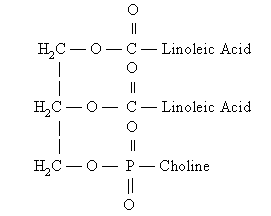
Upper left image: Schematic of Phosphatidyl choline molecule Courtesy of James Roberts MD.


Here is Dr James Robert's Video and text paraphrased for your convenience:
Reverse Heart Disease Now Roberts Sinatra

Below quoted from Dr. James Roberts from his web site :


Phosphatidylcholine Therapy (PC) - is the most effective therapy in the anti-atherosclerotic armamentarium. The PC molecule improves cell membrane function, increasing absorption of oxygen and nutrition at the cellular level.

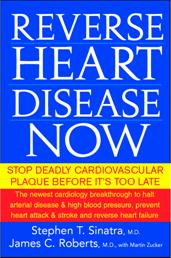
Left Image: Book Cover, courtesy of James S Roberts MD and Steven Sinatra MD, Reverse Heart Disease Now: Stop Deadly Cardiovascular Plaque Before It's Too Late.


PC Stimulates Reverse Cholesterol Transport
PC stimulates the HDL-associated enzymes of reverse cholesterol transport, promoting the removal of excess cholesterol from our cells, including the endothelial cells that line our arteries. PC has been shown to improve blood flow and reduce symptoms in humans with narrowed arteries, and to anatomically reverse atherosclerotic narrowings in animals and in humans.

Full article and references can be found here:
http://jeffreydach.com/2013/06/10/reversing-heart-disease-detoxmaxplus.aspx


About this website 
The advice in these articles is given freely without promise or obligation. Its all about giving you and your family the tools and information to take control of your health and fitness.

Friday, February 08, 2013

Low fat, low salt, high carb diets discredited at last!

Ever wondered why there has been an uncanny correlation between the obesity, thyroid and diabetes epidemics and world-wide health campaigns of the last 30 years?

If it has the "Heart Tick" or says "99% fat-free" don't eat it.  

If you want to stay healthy, that is.

Raisin Hell: A day late and a dollar short? - Australia’s peak ...: The week before last the Heart Foundation, Cancer Council and Diabetes Australia declared war on sugar. But before you break out the party p...

Time to get rid of that Heart Tick Olivani and get back to the silvertop full cream milk (Since I ditched the heart-healthy margarines several years ago and switched to raw full-cream milk, my body fat has dropped from 15-17% to less than 10% today with a corresponding increase in muscle and bone).


Study raises questions about dietary fats and heart disease guidance

Tuesday, February 5, 2013 - 10:38
Dietary advice about fats and the risk of heart disease is called into question on bmj.com today as a clinical trial shows that replacing saturated animal fats with omega-6 polyunsaturated vegetable fats is linked to an increased risk of death among patients with heart disease.
The researchers say their findings could have important implications for worldwide dietary recommendations.


Back To The Future: Resurrected Data From 1960s Trial Might Impact Contemporary Dietary Fat Debate


In an exceedingly strange turn of events, data from a clinical trial dating from the 1960s, long thought to be lost, has now been resurrected and may contribute important new information to the very contemporary controversy over recommendations about dietary fat composition.
Delorean DMC-12The American Heart Association has long urged people to increase their consumption of polyunsaturated fatty acids (PUFAs), including omega 6 PUFAs, and reduce their consumption of  saturated fatty acids. The recommendations are based on the simple observation that PUFAs lower total and LDL cholesterol while SFAs have the opposite effect. However, the cardiovascular effects of substituting PUFAs for SFAs have never been tested in randomized, well-controlled clinical trials, and a growing proportion of experts now suspect that simple changes in total cholesterol and LDL cholesterol may not tell the whole story.

"Lost data?"  Give me a break folks!  More like we have been lied to for decades at the cost of ill-health and premature death affecting millions of people.  I wonder who profited from the low fat-high sugar dictums that have completely dominated public health messages and even the education of just about every nutritionist educated over the last 30 years?  Think statins, blood pressure, thyroid and diabetes drugs.  Jenny Craig, gastric bypass surgery.  The depression industry.  The food industry (the more demand and the more processing of cheap grains, such as corn, canola and soy, the bigger the returns).  Hmm... Quite a list if you ask me!

At the same time the handful of health professional who questioned the low fat party line were ridiculed, ostracised and labelled as misguided quacks.

By the way, I'll bet you have not heard the sensational news yet that the low salt health advice has turned out to be equally misguided. In fact a low salt diet may increase your risk of heart failure!  Since bumping up my personal intake of Himalyan Sea Salt several years ago, my blood pressure has become strangely stable at about 120/80.

Note the date of the article that follows....


New Study Finds No Connection between Salt and Heart Disease

Link between salt consumption and heart disease challenged.
By Ewen Callaway of Nature magazine July 6, 2011
A controversial new study is questioning the oft-repeated connection between the consumption of too much salt and the development of cardiovascular disease. The meta-analysis, published online today in the American Journal of Hypertension1, examined the results of seven clinical studies and found no solid proof that reducing salt consumption prevents heart conditions.

It will be interesting to see how much publicity these two new astounding findings receive in mainstream media and how quickly agencies, like the Heart and Cancer Foundations, change their messages.

About this website 
The advice in these articles is given freely without promise or obligation. Its all about giving you and your family the tools and information to take control of your health and fitness.

Thursday, August 26, 2010

Dr Livingstone vs the Heart Foundation: "Why are Margarine products given Heart Health tick"

Red tick logoImage via Wikipedia
Gary:
The following is correspondence between the Australian Heart Foundation and Dr Keith Livingstone about the Foundation's awarding their "Heart Tick" to Goodman Fielder's margarine.

Regardless of who is right is wrong here, the problem I have with commercial schemes like the Heart Tick and the Cancer Society "Sun Smart" sunscreen sales is these consumer/patient advocacy agencies have consequently undermined their position of independence of commercial interests.

Because health knowledge is dynamic, the risk to these agencies is their substantial reliance on income from commercial product sales that may have once been regarded as "healthy" may bring about a reluctance to change, should it later arise that this once "healthy" product is no longer regarded as being healthy and possibly even harmful.

In my opinion the Heart Foundation's response to Dr Livingstone's letter is an attempt to defend what is now the indefensible.  While deaths from heart attack and stroke appear to have stabilised over the last 30-40 years, we have had a concurrent explosion in many other health conditions including chronic fatigue, arthritis, cancer, fibromyalgia, asthma, diabetes, obesity and depression.  I believe there is a link between these and many other ailments and the shift to low fat, heart healthy foods.

If we switch unwell people, who have been on heart healthy foods, to diets with a balance of proteins, saturated fats, vitamins and minerals, while cutting out the refined carbohydrates (The ones with the Heart Tick) and then lay them out in the midday sun, health gradually improves.

As you well know, both the Heart Foundation and the Cancer Society oppose these health measures, despite the growing body of evidence that these actually work to improve population health, while their measures do not.

Please read the letters below and enjoy the dabate.........
_________________________________________


Dr Livingstone:

To whom it concerns:

I find it amazing that an international margarine company advertising on Victorian TV tonight has been given the Heart Health “tick” when it is very clear that the hydrogenated vegetable oils turn normal plant oils into an unpredictable source of trans-fats, which are becoming notorious for


Thursday, May 07, 2009

A marathon runner with a string of lower leg injuries

Gary,

I just came across your videos on YouTube, specifically How to Strengthen Tiabialis Posterior.... I will try this immediately.


I'm 57 years old and training for my tenth marathon. I ran a PR of 3:36 a year ago. The last two training cycles (dropped out of last Autumn) I've got into a pattern of lower leg injuries about 8-9 weeks into training (50+ miles/week avg.). I still feel good aerobically, but can't seem to get past these injuries. What I currently have is probably from the pos-tib tendon: inner ankle/shin pain in right leg. I had something similar last Autumn which then developed into a very painful arch which caused me to stop running for a month. The problems I'm having seem to be related to tendons and ligaments, possibly some muscle involvement, not bones.

I am on a mostly low-fat high carbohydrate diet due to high cholesterol that caused me a heart problem at age 46 (no further problems since reducing cholesterol), but I'm not currently on a cholesterol drug, just an aspirin daily. I supplement with 500 mg Ester-C, a multi-vitamin, 400 mg Vitamin D, Vitamin B12, Potassium, and Magnesium daily. I've tried Calcium, but have digestive problems iwth it. I do not purposely avoid protein, and have an average intake mostly at lunch and dinner.

I saw the post on your website about the London Marathoner. Is there anything you can suggest that could help me? My race is in 7 weeks...

Thanks,
__________________________________
Gary responds:
Please do the tibialis posterior exercises as described in the video.

Please read my articles about low cholesterol diets and the many dangers to health.  We now know that cholesterol is not the principal driver of cardiovascular disease but inflammation.  It may be merely coincidence that you feel your heart problems abated with the cholesterol reduction and may have more to do with related factors like lifestyle changes.  Much depends on the true nature of the heart problem at the time.

I have just published an article about stress fractures in a runner about your age.  Please read it here and take the action suggested, including the shock absorbing inner soles. You also need to deal with any underlying infections such as gum disease that may increase cardiovascular risk.  What is recommended in that article will be relevant to you.  The only other thing I would add is a couple of scoops of Loadup Fruitful Greens to a twice daily berry protein Smoothie to help quench any underlying inflammation.  

Aspirin??
I would not take any form of aspirin long term.  It can be a factor in speeding joint arthritis and does not bode well for a healthy digestive system.  You can replicate its action as a blood thinner with a capsule of vitamin E daily, plus other nutrients like vitamin C and garlic, Ginko and others all of which you can get off this website.

A diet that is high carbohydrate-low in fats will cause the weak connective tissue problems that you describe.  Have a closer look into this please.  I, for example, have been on full cream raw milk daily for over a year and my cholesterol levels have dropped - not risen.  And I am running faster - injury free.

Please read my E-Books on training for events like marathons.  Are you running too many marathons?  Have you thought of concentrating on shorter events of less than 15km and short off-road events and doing just one marathon a year?  Few people can run more than a dozen marathons in their lifetime without suffering lasting damage to their limbs.  How long do you want to keep running?  If you want to keep running well past 60 years of age, then think about how you are going to achieve that.
Your email address:


Powered by FeedBlitz

Do you have a question?
Email Gary: gary at myotec.co.nz (Replace the "at" with @ and remove spaces). Please include any relevant background information to your question.

Saturday, January 24, 2009

How to use Natural Vitamin E to prevent and reverse heart disease


"To die from heart attack is both unnecessary and tragic. Information is now readily available explaining how heart disease can be prevented and reversed with simple inexpensive nutritional supplements at home. One need only read the information, and the evidence is overwhelming. There is no need for expensive drugs, cath labs or bypass operations. A simple combination of Vitamin C, Lysine, and the Tocotrienol Form of Vitamin E is sufficient to prevent and reverse heart disease."
Dr Dach

Learn about the health benefits of modest daily amounts of vitamin E.  Learn about the difference between natural and synthetic vitamin E and learn about the misinformation designed to discredit this natural health wonder.

Please go here for Dr Dach's dissertation: "Vitamin E, Curse or Blessing?"


Your email address:


Powered by FeedBlitz

Do you have a question?
Email Gary: gary at myotec.co.nz (Replace the "at" with @ and remove spaces). Please include any relevant background information to your question.

Wednesday, December 19, 2007

Statins and muscle - leg pain

Gary: I read your blog and wanted you to know that I was a perfectly healthy 48 year old woman who took no medications until the use of Zocor for cholesterol for 6 weeks. This led to muscle pain that has lasted 1 and 1/2 years. I have yet to find relief and feel this condition is getting worse instead of better. If you have any advice in my case for supplements, nutrition or exercise, I would greatly appreciate it.
___________________________________
Gary Moller comments:
The most common side effect of statins is muscle pain and weakness, a condition called rhabdomyolysis, most likely due to the depletion of Co-Q10, a nutrient that supports muscle function. The consequences can be lasting and devastating due to the pain and the loss of function. In the elderly, the risk of serious injury by stumbling and falling is high enough as it is!

Cholesterol is essential for life and anything that messes around with normal cholesterol physiology is unwanted. Especially when there are safe natural alternatives. For more about cholesterol and statins, please read the article about the dangers of statin drugs by Sally Fallon and Mary Eng. Sally recently toured New Zealand to promote the merits of traditional foods. She happens to be married to a New Zealander (Which means she's OK).

According to the authorities, this and other unpleasant side effects are rare. This is rubbish: When giving a talk last year to about 60 elderly people, three of the audience approached me afterwards to ask me about their muscle pain associated with statin use. Given the presumption that a minority of the audience was on statins this is hardly an indication of "rare".

What is scandalous is the fact that these drugs continue to be prescribed.

What can be done to manage the muscle pain caused by statins?
The first step is to attempt to replenish the nutrients that might have been depleted by the statins and which may be ongoing since even what may be regarded as a nutriitious diet may not be sufficient to make up what may be a substantial deficit. You are assuming what is essentially a heart healthy diet and lifeStyle:
  • Take supplementary Coenzyme Q10 daily. This is at the top of the list. Every person taking cholesterol lowering medication should be taking CoQ10 as a matter of course, as might anybody with heart or cardiovascular disease.
  • Assume a natural foods diet that is rich in the fat soluble vitamins and healthy fats and oils. Please refer to the wealth of information on the Weston Price Foundation web site. Their cook books are highly recommended. Have a small amount of protein in each meal.
  • Take a combination of Natural Vitamin E, fish oil, lecithin, Vitamin C and Lysine. These have multiple functions, including improving circulation, protecting the arteries from free radical damage and may even reduce muscle pain.
  • I am particularly fond of Floradix Magnesium for muscle pain. While these are quite pricey products, their quality is unsurpassed. Taking twice the recommended amount for a week or so and then dropping down to the ongoing recommendations for a few months may be beneficial.
  • Arrange to have a once to twice weekly massage of the legs, back and shoulders to assist circulation and to relax the muscles (Blood flows much better trough soft, spongy muscles).
After about three months of this commence a steady and regular buildup in exercise:
  • Muscle strengthening exercises - a gym would be ideal twice a week
  • Endurance exercise three times a week building carefully up to doing one walk per week that is two or more hours, such as a leisurely hike in the bush. Get outdoors!
  • Take your time and listen to your body as to how much you do. Rest between sessions and keep those massages going!
You will note that I am asking you to concentrate on your basic health for a few months before stressing your body with exercise. While exercise is essential for maintaining health, it is a waste of time if the body is unable to respond to its stimulus. Too many exercise experts dive right in with a thrashing of exercise with little of no long term benefit and sometimes do harm. Its a put off that is best avoided until body and mind are ready.

If you find these recommendations helpful I would like to know. I thrive on feedback. If they do help, you might want to keep them going, although you can relax a bit on the supplements; but keep the diet and exercise going consistently.

You may also benefit from testing your body PH. An acidic body is often closely associated with chronic pain.

If you are under the care of a health practitioner, please consult with them about this advice before making any changes and please heed their advice. Thank you.

Wednesday, August 29, 2007

Does cholesterol cause heart disease, or is it Vitamin C deficiency?

RESULTS: We found strong inverse trends for blood ascorbate concentrations with all-cause and cardiovascular disease mortality, which were only marginally reduced after adjustment for confounders or supplement use. Those in the lowest fifth (<> 66 micromol/L) had a mortality risk nearly half that (hazard ratio = 0.54; 95% CI: 0.34, 0.84). Similar results were found after the exclusion of those subjects with cardiovascular disease or cancer at baseline (hazard ratio = 0.51; 0.28, 0.93). In fully adjusted models, there was no evidence for an influence of alpha-tocopherol, beta-carotene, or retinol on total mortality. Dietary antioxidants measured by the food-frequency questionnaire were not associated with all-cause or cardiovascular disease mortality.

CONCLUSION: Low blood vitamin C concentrations in the older British population are strongly predictive of mortality.

Am J Clin Nutr. 2003 Nov;78(5):999-1010.
____________________________________
Gary Moller comments:
The research literature is increasingly peppered with research studies like the one above. The focus of heart disease prevention in recent decades has been on lowering blood cholesterol levels; but has this been misguided?

Fact:
Cholesterol is essential for life. It is an important substance used by the body to make steroid hormones such as estrogen, and testosterone and it accounts for one half the dry weight of the brain. Cholesterol is present in all the cell membranes. When cholesterol is reduced too low you get blood sugar problems, oedema, mineral deficiencies, chronic inflammation, and difficulty in healing, allergies, asthma, reduced libido, infertility, depression and brain fog - to name some!

When cholesterol levels plummet with a fat free diet and medication, so does the person's health.
Serum Cholesterol levels below 160 mg/dL (below 4.1 mmol per liter) are considered sub-optimal (persons with sub-optimal Cholesterol levels have a greater incidence of Stroke, Lung Ailments, some types of Cancer and Alcoholism).

It may be that it is the byproducts of oxidised cholesterol that does the damage to arterial walls, leading to arteriosclerosis and consequent heart attack or stroke. The key to heart health may be in strategies to prevent fat oxidation in the circulating blood. This is achieved by having a diet that is rich in antioxidants beginning with vitamin C. As reported in the study above, vitamin C has a cardio protective effect. About 1-2,000 mg per day would appear to be about right.

Sunday, July 22, 2007

Nutrients for keeping your arteries healthy flexible

As we get older our arteries tend to lose their flexibility. They harden. This shows as an increase in blood pressure. If we were listening to the pulse of hardening arteries through a stethoscope we would hear a hard wooden knock as compared to a soft thud as the heart ejects each pulse of blood into healthy arteries.

Maintain sexual performance by looking after your arteries
Sexual drive and performance relies on the healthy functioning of a number of mind and body systems, including healthy circulation - the ability of the arteries to contract and relax freely. This applies as much to women as much as it does to men, so strategies to improve arterial health should be beneficial for your sex life as well!

All is not lost. Every part of your body is renewed with even the bones being completely replaced about every 6-7 years or so. So, one can assume that arteries can be softened up to some degree if the conditions are right. This starts with good nutrition and we now know nowadays that there are several nutrients that are beneficial for keeping arteries healthy:

Vitamin E
Vitamin E has been used for decades, if not longer, for softening scar tissue. Numerous studies have confirmed the benefits of vitamin E in improving arterial health. This ability to maintain normal blood vessel tone may partly account for vitamin E's benefits in preventing cardiovascular diseases. There has been some adverse, confusing publicity about vitamin E recently. Do not worry; the bulk of the evidence is in favour of the health benefits of natural vitamin E. Stay away from synthetic vitamin E.

Vitamin C
Vitamin C is essential for maintaining healthy collagen tissue. The extreme of unhealthy collagen due to vitamin C deficiency if scurvy. Arteries are made up of collagen among other substances. Vitamin C can also provide some protection of the blood vessels against homocycsteine which is one of the most reliable predictors of heart disease.

L-Arginine
This amino acid is the precursor to nitric oxide, and it is known that nitric oxide can increase the flexibility of arterial walls. Nitric oxide increases endothelial flexibility, and studies have found L-Arginine supplements helpful in angina pain and congestive heart failure. As people age the production of L-Arginine decreases and many experts believe this is responsible for many degenerative processes related to aging. Natural sources include: Nuts, sunflower seeds, sesame seeds, chocolate, popcorn, raisins, brown rice, carob, gelatin desserts, oatmeal, whole wheat bread, and protein rich foods including whey protein.
Vitamin C may further improve the activity of L-arginine.

Garlic
Garlic is rich in antioxidants and increases nitric oxide production. When cloves are chewed, crushed or cut, they release a sulphur-bearing compound called allicin - the chemical that gives garlic its pungent taste and smell. And it's the allicin that scientists have discovered is the magic ingredient thought to be responsible for garlic's many therapeutic qualities. Kyolic garlic and garlic oil are both potent sources of the active ingredients of garlic.

Alpha-Lipoic AcidThis antioxidant has long been used to treat symptoms of diabetic nerve disease. Alpha-lipoic acid works together with other antioxidants such as vitamins C and E. It is important for growth, helps to prevent cell damage, and helps the body rid itself of harmful substances. It has recently been shown to be beneficial for blood vessel health. Good food sources of alpha-lipoic acid include spinach, broccoli, beef, yeast (particularly Brewer's yeast), and certain organ meats (such as the kidney and heart).

Evening Primrose Oil (EPO)
EPO is rich in the essential gamma-linoleinc acid (GLA), a very valuable fatty acid that is not found in many plants. It has numerous vital functions in the body. GLA is an essential fatty acid that the body does not manufacture. This fatty acid is known to help prevent hardening of the arteries, heart disease, eczema, cirrhosis, rheumatoid arthritis, menopause, PMS, multiple sclerosis, and high blood pressure. It has a positive effect on sex hormone response including the hormones estrogen and testosterone, aids in lowering cholesterol levels, and is important in treating cirrhosis of the liver. Research also demonstrates that primrose oil helps relieve pain and inflammation.

Flavonoids
Flavonoids are a family of more than 5,000 potent antioxidants found in fruits and vegetables. Studies are showing the importance of these antioxidants for maintaining cardiovascular health, including healthy blood vessels.

Good sources of flavonoids include all citrus fruits, berries, onions, parsley, legumes, green tea, red wine, seabuckthorn, and dark chocolate. I especially recommend dark berries like blue berries, black berries and boysenberrries.

Fish oil and flaxseed oil
Omega 3 fatty acids have also been proven to work wonders for your heart, arteries and veins that make up your cardiovascular system. They help to lower cholesterol, tryglicerides, LDL and blood pressure, while at the same time increasing good HDL cholesterol.

Minerals, including magnesium
Low mineral levels, particularly magnesium, can result in increased arterial muscle tension and an irregular pulse. Supplementation with magnesium can include a bone broth and a nightly soak in a warm bath of Epsom Salts. A bone broth is also a wonderful natural source of gelatine

Monitor cardiovascular health
If you have high blood pressure, or a heart condition and you are intending to try natural therapies including nutritional supplementation, it is important that you monitor your heart health. Do this daily using a digital blood pressure monitor. Consult your doctor and discuss your plans. Heed any advice given.

These nutrients are good for you when taken according to professional guidance. Even if there is no measurable benefit in cardiovascular health from taking these, you may find a pleasant offshoot: healthy skin, hair and nails!